Billing choices do more than move money. They shape your cash flow, affect close rates, and change what you pay in Stripe fees.
For many SaaS teams, the real decision is not whether to accept cards or send invoices. It's when to use each one, and how to keep SaaS payment processing costs under control without making checkout harder than it needs to be.
The right mix depends on deal size, customer type, and how much friction your sales team can afford. The rest comes down to math.
Card-on-File vs Invoice Billing: The Core Difference
Card-on-file billing collects payment details up front and charges the customer automatically. Invoice billing sends a bill first, then waits for the customer to pay by card, ACH, wire, or another method.
That difference sounds small. In practice, it changes the whole payment flow.
| Factor | Card-on-File | Invoice Billing |
|---|---|---|
| Payment timing | Collected automatically | Collected after the bill goes out |
| Customer effort | Low | Higher |
| Best fit | Self-serve, SMB, usage-based plans | Enterprise, annual contracts, procurement-led sales |
| Cash flow | Faster | Slower, but more flexible |
| Fee profile | More card processing exposure | More room to use lower-cost payment methods |
The table shows the basic tradeoff. Card-on-file is smoother. Invoice billing gives buyers more control, which often matters in larger deals.
The payment model that wins on convenience can lose on fees, and the cheapest model can slow collections.
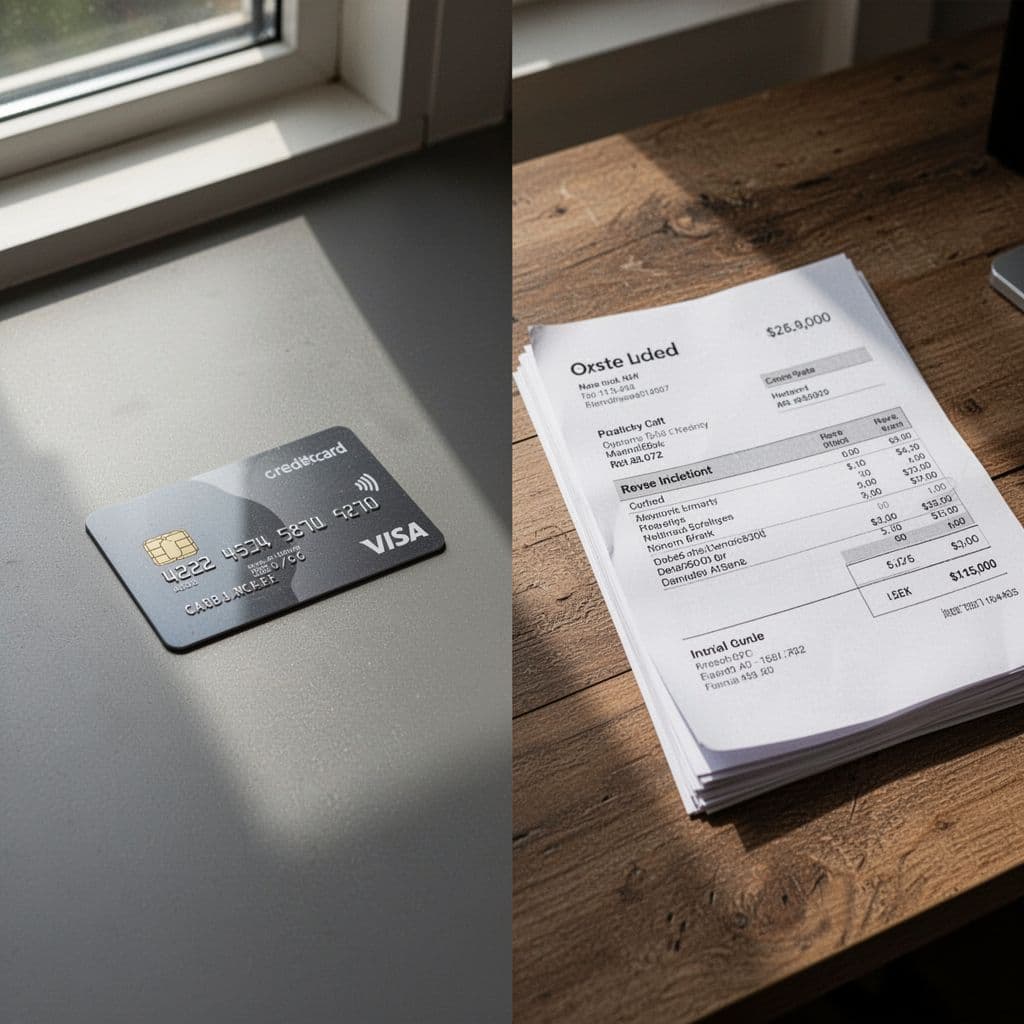
If you want a broader view of how SaaS teams handle recurring charges, the recurring billing guide is a useful reference point. It shows why many companies use both models instead of forcing one answer.
How Each Model Changes Cash Flow and Sales
Card-on-file usually helps revenue arrive faster. Once the card is stored, renewals, upgrades, and usage charges can process without extra follow-up. That matters when your team sells low-friction plans and wants payment to happen as close to signup as possible.
Invoice billing works better when the buyer needs paperwork first. Procurement teams may want a PO, a vendor setup flow, or approval from finance. In those cases, invoice billing can reduce sales friction because the customer does not need to enter card details before they buy.
That said, invoices can stretch out collection time. Someone has to open the email, review the amount, and release payment. If the customer misses that step, your team follows up. That adds time and labor.
For a helpful look at the payment side of SaaS sales, see this SaaS credit card billing overview. It makes one thing clear: the payment method should match the way the customer already buys.
The pattern is common. Card-on-file suits fast, low-touch buying. Invoice billing suits bigger contracts and longer approval chains. Many SaaS businesses need both.
Where Stripe Fees Start to Matter
A simple Stripe fee calculator can estimate card costs, but it won't tell you the whole story. It usually shows a headline rate. It does not show what happens after refunds, disputes, foreign cards, or payment mix shifts.
That's why a real Stripe fee breakdown matters. The hidden cost is often in the details, not the sticker price. Small changes in transaction size, currency, or payment method can move your effective rate more than expected.
For Stripe processing fees SaaS teams, the biggest mistake is treating all revenue the same. A $29 self-serve subscription and a $40,000 annual invoice do not belong in the same bucket. If you only look at blended totals, you miss where the drag starts.
This is also where comparisons like Stripe vs PayPal fees can get messy. The posted card fee is only one piece. International charges, conversion, and platform rules can change the real cost.
If you want to see the mix by payment method, geography, and product line, advanced Stripe fee analysis helps you spot where costs cluster. That kind of view is much more useful than a rough estimate.
In short, the question is not only what Stripe charges. It's which customers, transactions, and payment paths drive the highest costs.
When Invoice Billing Makes More Sense
Invoice billing makes sense when the sale is too large or too formal for a card-first flow. Enterprise customers often expect it. So do buyers with annual contracts, MSAs, or procurement review.
It can also help when you want to lower card exposure on expensive transactions. If a customer is willing to pay by ACH or wire after receiving an invoice, you may save on processing costs. That matters when card fees would take a bigger bite out of margin.
A hybrid model often works best. Self-serve customers stay on card-on-file. Larger accounts move to invoice billing. That split gives you speed where you need it and flexibility where the buyer expects it.
In practice, the main question is not which model is better. It's which model fits each segment.
How to Reduce Stripe Fees Without Hurting Conversion
You can lower cost without turning checkout into a chore. The trick is to match payment method to customer behavior.
- Use card-on-file for low-touch plans when speed matters more than back-and-forth billing.
- Move larger contracts to invoice billing when procurement or annual terms already slow the sale.
- Watch refunds and disputes closely because they add direct cost and can distort your true margin.
- Review transaction mix by segment so you know which customers create the highest effective rate.
That last point is where most teams find the biggest win. If you only look at total revenue, you miss the pattern. If you break the data down by transaction size, payment method, and region, the fix becomes clearer.
A pricing decision can help too. If your tool cost is lower than the fee savings it surfaces, the trade is easy to defend. For teams comparing that side of the decision, FeeTrace pricing plans make the cost side easy to map against expected savings.
When people ask how to reduce Stripe fees, the answer is rarely one single change. It's usually a mix of payment routing, billing policy, and segment-level review.
A Simple Way to Choose the Right Billing Mix
Start with the customer, not the processor. If the buyer wants a fast self-serve path, card-on-file fits. If the buyer expects approvals, paperwork, or annual commitments, invoice billing fits better.
Then check the economics. Some segments can absorb card costs without trouble. Others push your effective rate higher than you realized. Once that happens, the wrong billing model can quietly eat into gross margin.
For many SaaS teams, the best setup is a hybrid one. Cards handle the quick wins. Invoices handle the higher-value deals. That balance keeps the checkout flow friendly and the finance team happier.
If you want a clearer view of your own mix, Analyze My Fees and compare what each payment path is costing you.
Conclusion
Card-on-file and invoice billing solve different problems. One speeds up collection. The other gives buyers more room to pay the way their business works.
The best SaaS teams do not pick a side and stop there. They use the method that fits the deal, then watch the fee data closely enough to catch waste early.
That's the real lesson behind invoice billing and card-on-file payments. The right billing model should help you close faster, collect faster, and keep more of what you earn.