Card billing is easy until the fees start taking real money out of every invoice. For B2B SaaS, the gap between cards and bank payments can eat into margin month after month.
Customers won't switch to ACH because it helps your profit plan. They switch when the process feels normal, safe, and worth the small change in habit. That means your pricing, messaging, and billing flow all need to work together.
Here's how to make the shift without creating extra friction.
Why cards drain SaaS margins faster than they look
Stripe processing fees SaaS teams pay often seem harmless on a single subscription. On a larger invoice, they add up fast. In 2026, standard U.S. online cards on Stripe are about 2.9% + 30 cents per successful charge. ACH Direct Debit is about 0.8%, capped at $5.
That difference changes the math on bigger B2B invoices. A $100 payment might save less than two dollars. A $1,000 annual invoice can save much more, and a $10,000 contract makes the card fee hard to ignore.
| Payment method | Typical Stripe fee | Speed | Best fit |
|---|---|---|---|
| Card | 2.9% + 30 cents | Fast | Small or self-serve plans |
| ACH Direct Debit | 0.8%, capped at $5 | 2 to 5 days | Recurring B2B invoices, larger plans |
The point is not that cards are bad. The point is that they are expensive for the wrong kind of payment. A clean Stripe fee breakdown shows where that cost sits by transaction size, payment method, geography, and product line.
For recurring billing, the tradeoff is clear in ACH vs. Credit Card Payments. ACH often wins on cost, while cards win on speed and habit. That means the best card to ACH move starts with the right accounts, not every account.
Move the invoice first, then the payment habit follows.
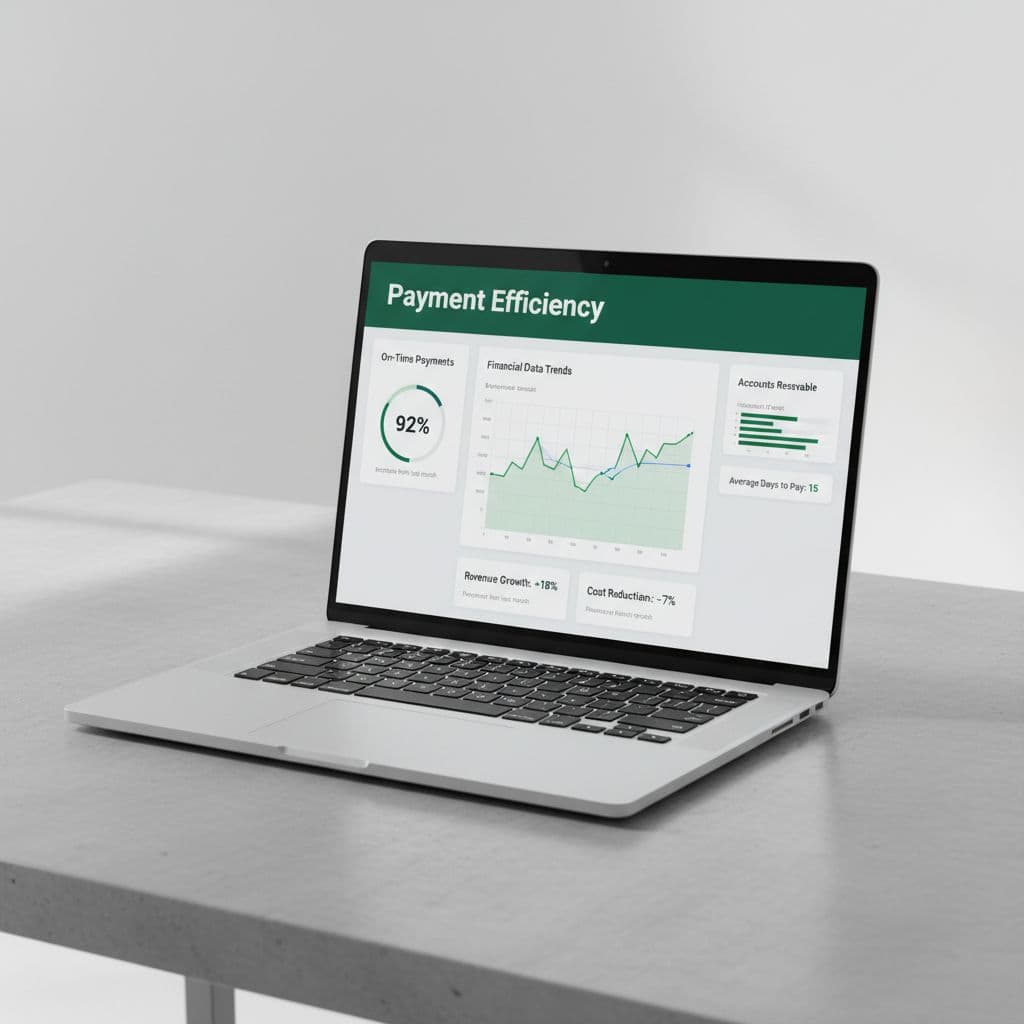
Pick the accounts most likely to switch
The easiest customers to move are the ones already acting like finance buyers. They pay annual invoices, have an AP contact, or already use bank transfers for other vendors. Those accounts already think in terms of approval chains and payment terms.
That pattern shows up in ACH vs. Card Payments for SaaS Platforms. Larger recurring charges, invoice-based billing, and procurement-led deals are the sweet spot.
Start with these groups:
- Annual contract customers: They see the value of lower processing cost more clearly.
- Mid-market and enterprise accounts: Finance teams often prefer bank payments.
- Customers already on invoicing: They have a workflow for AP and remittance.
- Accounts with high card volume: They create the biggest savings.
Smaller self-serve customers are harder to move. Their billing habits are already set, and the savings may be too small to matter. If you push too hard there, you can create more support work than value.
The cleanest approach is simple. Use card where speed matters. Use ACH where invoice size and renewal value justify the switch. That keeps the change focused and keeps your sales and support teams from having to explain the same decision over and over.
Make ACH feel easier than paying by card
Customers rarely reject ACH because of the fee. They reject it because the setup feels unfamiliar. So the job is to remove effort, not to sell harder.
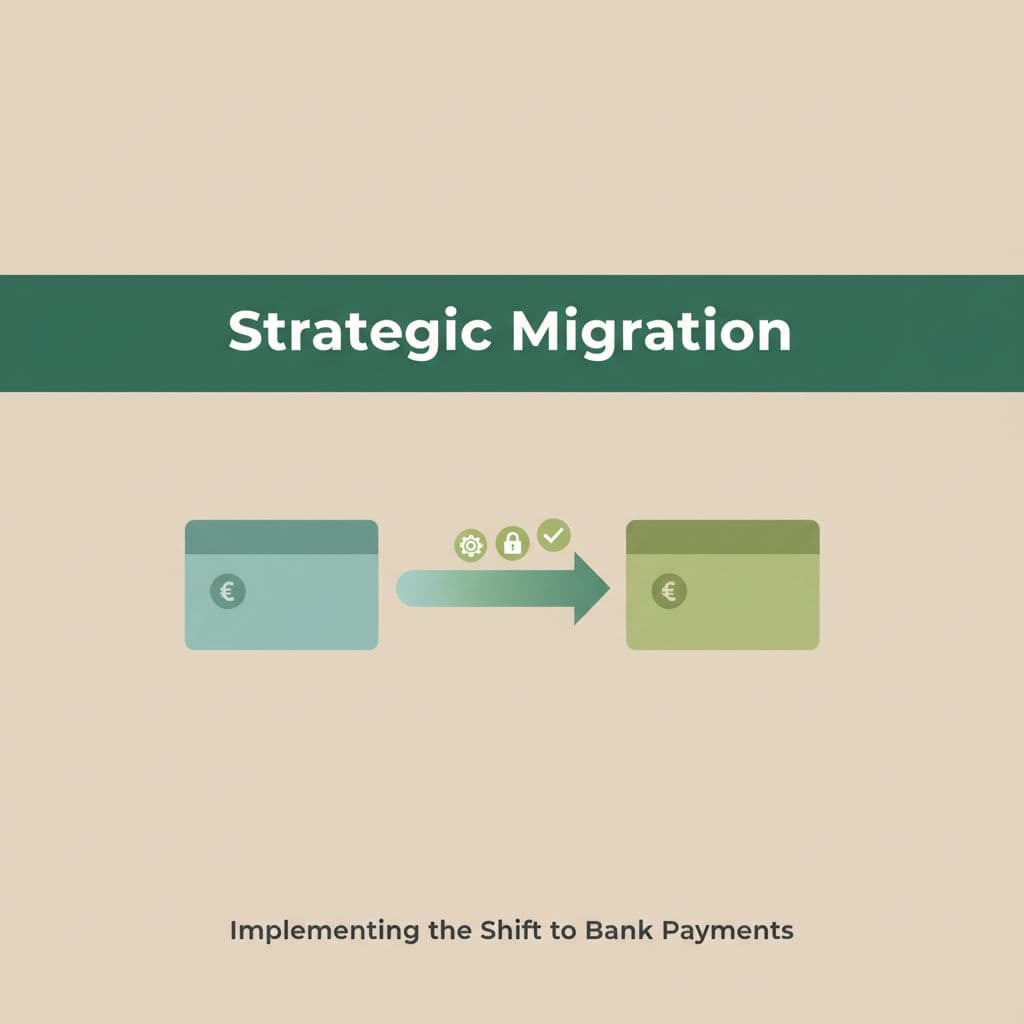
Use a simple rollout plan:
- Offer ACH next to the card option. Put it in the same place, with the same visual weight.
- Explain the savings in dollars. A customer understands "$240 a year" faster than "0.8% capped at $5."
- Keep setup short. Use a secure bank-link flow or a quick verification step.
- Leave card as a backup at first. That lowers the fear of a failed billing cycle.
- Loop in AP early. One email with the invoice terms, payment method, and remittance details helps a lot.
The switch works best when it feels like a billing preference, not a process change. Keep the language plain. Say what happens, when it happens, and what the customer needs to do.
If you want to know how to reduce Stripe fees without hurting conversion, this is where to start. The payment method should feel like a small adjustment, not a new project.
Price the switch with real math
A bank-payment discount can work, but only if the numbers make sense. A small ACH incentive on a large invoice may still leave you far ahead of card fees. That gives you room to offer value without giving away margin.
A Stripe fee calculator is useful for rough checks, but it won't tell you how your customer mix behaves. Your own data matters more. The same goes for teams comparing Stripe vs PayPal fees, because the cheapest headline rate is not always the cheapest payment method in practice.
If you want a fair view of the tradeoff, compare:
- invoice size
- card volume by customer segment
- failed payment rate
- support time for payment issues
- settlement timing
That is where SaaS payment processing costs become visible. A card-heavy customer base with larger invoices can justify a small ACH discount or a renewal-only incentive. Smaller plans usually cannot.
If you want help deciding whether the analysis is worth it, FeeTrace pricing plans are tied to Stripe volume, so the cost tracks the size of the problem. That makes it easier to test the economics before you change policy across the board.
The goal is not to discount every payment method. The goal is to move the invoices where card fees are doing the most damage.
Measure the savings and keep them visible
A card to ACH program fails when no one checks whether it worked. Adoption matters, but so does the fee result. You need to track the effective fee rate, not just the number of customers who switched.
A how FeeTrace works workflow starts with your Stripe transaction data, then breaks it into useful buckets. That kind of view makes it easier to spot fee leakage and see whether ACH is changing the mix in the right places.
Use a readout that answers three questions:
- Which customer segments moved?
- How much did card volume fall?
- Did the effective fee rate drop?
If the answer is unclear, the roll-out is too broad or the incentive is too small. If the answer is clear, you can repeat the playbook on similar accounts.
If you want to see your own numbers before changing billing, Analyze My Fees gives you a direct way to review where card costs are hiding. That is more useful than guessing, especially when Stripe processing fees SaaS teams pay vary so much by segment.
Keep the reporting simple. Finance needs the trend line. RevOps needs the customer list. Sales needs to know which accounts are safe to approach next.
Common mistakes that keep customers on cards
Most failed ACH rollouts share the same weak spots. The problem is usually not the payment rail. It is the rollout.
- Hiding ACH behind support makes it feel like an exception.
- Asking for too much information up front creates drop-off.
- Leading with savings before trust can sound pushy.
- Forcing every customer to switch ignores real buying habits.
- Skipping AP contacts leaves the right person out of the loop.
The fix is usually small. Put ACH in the regular checkout or invoice flow. Keep the form short. Explain why the change helps both sides. Then follow up once, with the right finance contact.
That approach works better than a broad sales pitch. It respects how B2B billing actually gets approved.
Conclusion
The best card to ACH programs are boring in the best way. They focus on the right customers, make the setup easy, and measure the savings after the switch.
If you want lower fees without adding churn, move the invoices that already have the strongest case for bank payment. That is where the savings show up fastest, and where the billing change feels most natural.
The goal is simple, keep more of each payment without making customers work harder.