Stripe ACSS (Automated Clearing Settlement System) fees can look small on a pricing page, yet they can change your margin fast. If your SaaS sells annual plans or higher-ticket subscriptions in Canada (pre-authorized debit) or the US, the $5 cap can be a real help.
The catch is simple. Stripe processing fees SaaS teams pay are rarely just the posted rate. Failed debits, returns, FX, and customer mix can turn a good method into an expensive one.
In 2026, the real question is not whether ACSS is cheaper than cards. It is whether it stays cheaper once the full bill shows up.
Key Takeaways
- Stripe ACSS fees are 0.8% per successful transaction, capped at $5 (kicks in at $625), making them ideal for higher-value SaaS subscriptions in the US and Canada.
- Hidden costs like payment failures, returns, FX, and customer mix can erode savings—always calculate your effective rate by product and region.
- ACSS beats cards on larger invoices due to the cap, but cards win for low-friction self-serve; optimize by routing high-value payments to bank debit.
- Reduce fees by using instant verification, tuning retries, pushing annual plans, and tools like Stripe fee calculators or AI savings roadmaps.
What Stripe ACSS fees look like in 2026
Stripe's published bank-debit pricing in 2026 is still straightforward: 0.8% per successful transaction, capped at $5 per successful transaction. That cap matters more than most teams expect, because it kicks in at $625.
For a $200 subscription, the fee is $1.60. For a $1,000 invoice, the fee stops at $5. That is why stripe acss fees can look modest on smaller plans, then become far more attractive as contract value rises.
| Item | 2026 Stripe charge | Why it matters for SaaS |
|---|---|---|
| Successful bank debit | 0.8% | Lower than card pricing on most mid-size invoices |
| Fee cap | $5 | High-value payments stop getting more expensive |
| Break-even point | $625 | Anything above this pays the same $5 fee |
| High-volume pricing | Custom pricing may apply | Large-scale SaaS operations can negotiate custom pricing |
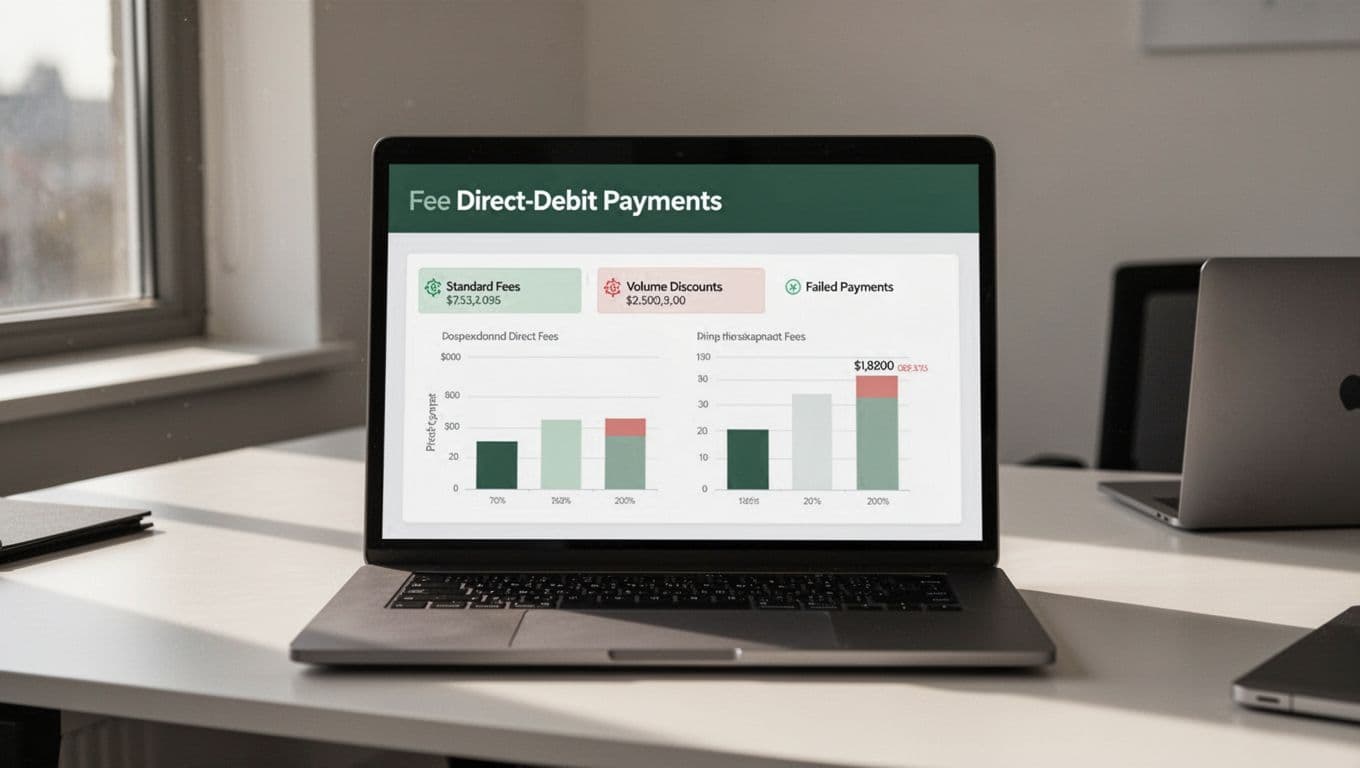
Above $625, the fee hits its ceiling. After that, invoice size matters more than percentage math.
That makes ACSS easier to forecast than cards in many SaaS billing models. It also makes budgeting cleaner when you need to estimate monthly run-rate costs. Settlement timing for these funds usually takes 5 business days.
Where SaaS payment processing costs hide
A clean rate card never tells the whole story. A proper Stripe fee breakdown should include the payment method, geography, currency, and failed-payment path.
The biggest hidden costs usually come from four places:
- Payment failures: often caused by insufficient funds, retries can add friction and extra admin work.
- Returns and disputes: dispute fees apply to returned items, bank debits have their own recovery cost. A clear statement descriptor helps minimize customer confusion and disputes.
- Cross-border and currency conversion: these can eat into the savings fast.
- Customer mix: small self-serve plans and larger contract invoices do not behave the same way.
This is where many teams misread their own numbers. A low fee on paper can still lose to cards if payment failures occur often or if the customer base is split across currencies.
If you want a sharper view of your advanced analytics dashboard for Stripe costs, look beyond blended averages. The useful number is your effective rate by product, region, and payment method.

A good rule is to compare what you pay on successful collections, then add the costs of payment failures. That gives you a realistic view of SaaS payment processing costs, not a headline number.
How to reduce Stripe fees without hurting signups
If you are thinking about how to reduce Stripe fees for recurring payments, start with payment method fit, not discounts. The best savings usually come from routing the right customers to the right rail.
A Stripe fee calculator helps you model the switch before you touch billing rules. That is useful because the savings on a $49 plan look very different from the savings on a $1,200 annual invoice.
The best moves are usually practical:
- Use ACSS for higher-value invoices: the $5 cap does the work for you.
- Push annual and semi-annual plans to bank debit: the savings are easier to see on larger charges.
- Optimize mandate collection: use instant bank verification or micro-deposits, which are safer than manual entry, and stripe.js for secure collection of bank account details.
- Tune retries carefully: a failed debit should not become a repeat cost spiral.
- Watch geography and currency: the same customer can cost more once FX enters the picture.
If you want help spotting the best opportunities, the AI-generated Stripe savings roadmap shows where overpayment is coming from and what to fix first. That is a better path than guessing.
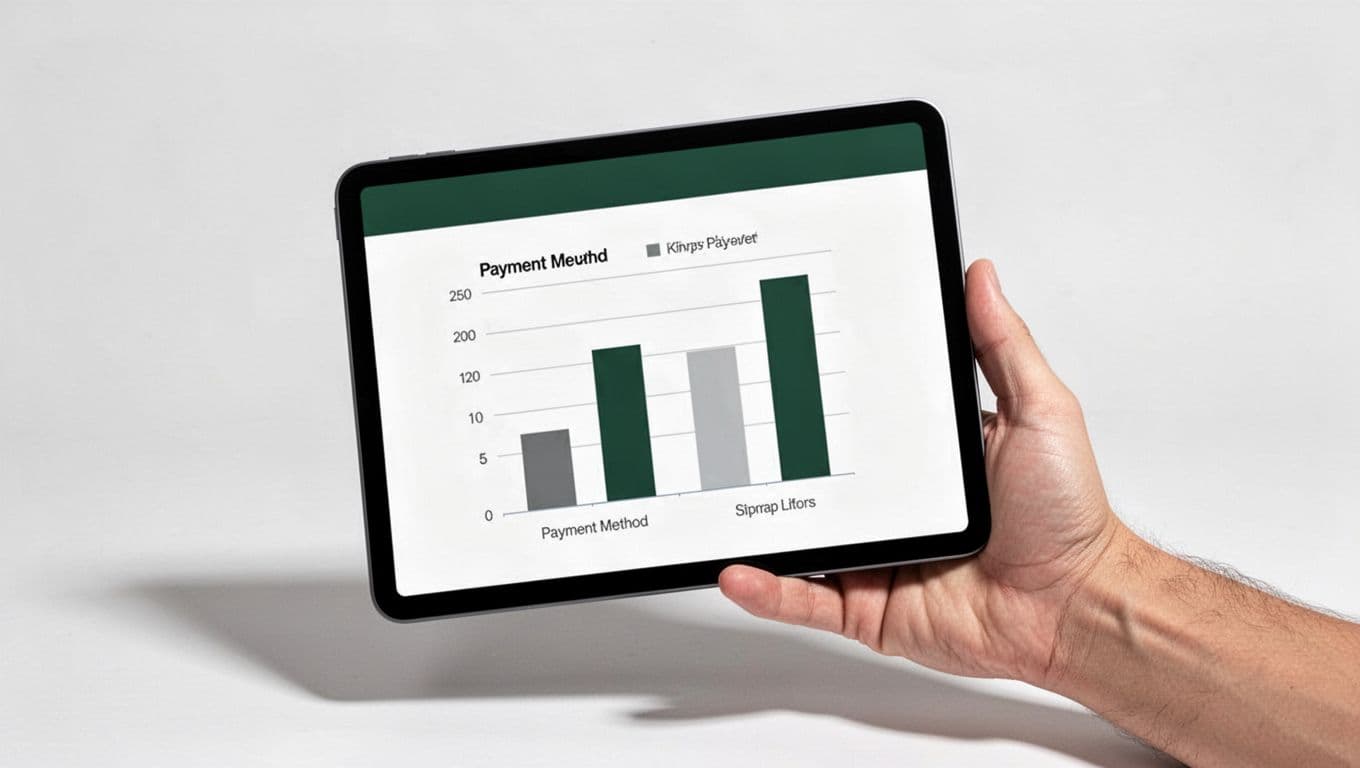
The biggest savings usually come from payment mix, not a single rate change.
If you want a quick first pass, Analyze My Fees can show which subscriptions are dragging your effective rate higher than expected.
Stripe ACSS vs cards and PayPal for SaaS
When teams compare Stripe vs PayPal fees, they often focus on the visible checkout rate. That misses the real issue. You need to compare the full cost of collection, including fixed fees, foreign currency costs, and dispute exposure.
ACSS debit requires gathering a customer's account number, transit number, and institution number. Compliance with Rule H1 as established by Payments Canada ensures legal safety when collecting the account number and other details.
| Method | Typical SaaS cost profile | Best fit |
|---|---|---|
| ACSS direct debit | 0.8%, capped at $5 | Larger recurring invoices |
| Domestic cards | Higher percentage plus fixed fee | Low-friction self-serve checkout |
| PayPal | Varies by product and region, often higher for some SaaS flows | Buyers who strongly prefer PayPal |
For more detail on the broader pricing picture, the Stripe pricing for ISVs page gives a useful side-by-side view of bank debit, cards, and PayPal-style checkout costs.
The takeaway is simple. ACSS wins when invoices are large enough for the cap to matter. Cards still win when speed and convenience matter more than each basis point of margin.
Frequently Asked Questions
What are Stripe ACSS fees in 2026?
Stripe's ACSS direct debit pricing is 0.8% per successful transaction, capped at $5. The cap applies above $625, making it cost-effective for mid-to-high-value SaaS invoices. Settlement typically takes 5 business days.
When should SaaS use ACSS over cards?
Use ACSS for larger recurring invoices like annual plans where the $5 cap shines. Cards are better for low-friction self-serve checkouts under $625. Compare your payment mix with a Stripe fee calculator to model true savings.
What hidden costs come with ACSS?
Payment failures from insufficient funds, returns, cross-border FX, and disputes can add up fast. Customer mix matters—small plans behave differently than enterprise contracts. Track effective rates in advanced Stripe analytics beyond blended averages.
How do you reduce Stripe fees with ACSS?
Route high-value customers to ACSS, optimize mandate collection with instant verification, and tune retry logic. Push annual/semi-annual plans to bank debit for clearer savings. Start with Analyze My Fees to spot overpayments.
How does ACSS compare to PayPal for SaaS?
ACSS (0.8%, $5 cap) wins on large domestic invoices; PayPal varies higher by region and often includes more fixed fees. Factor in full collection costs like disputes and FX. Check Stripe pricing for ISVs for side-by-side views.
Conclusion
Stripe ACSS fees are easy to understand, but the savings only show up when you look at the full picture, including the refund process that typically takes a few business days. The 0.8% rate with a $5 cap is strong for larger SaaS invoices, especially when bank debit fits the customer and you've verified their customer bank account.
The real test is your own payment mix. Failed debits, FX, and customer behavior can change the answer fast. Manage your PAD agreements in the Stripe dashboard to handle payment intents linked to each billing period, using accurate customer bank account details and pre-authorized debit setups.
A solid Stripe fee breakdown shows whether ACSS is helping or just looking cheap on paper. If you want to see where your costs are rising, start with your own data and compare the true effective rate.