Enterprise SaaS invoices for B2B payments hide more cost than the payment screen suggests. A wire can look old-school, yet it often beats card-based billing on high-value transactions. Stripe still wins when automation, retries, and global card acceptance matter.
For SaaS teams, the real question is not which method sounds modern. Choosing between Stripe Payments and bank rails depends on more than just the processing fee. It's which one lowers SaaS payment processing costs without slowing down cash collection. The answer changes with invoice size, customer location, and how often payments fail.
Key Takeaways
- Wire transfers beat Stripe on large enterprise SaaS invoices, where flat bank fees ($15-$50) stay small as a percentage, unlike Stripe's stacking percentage plus add-ons like invoicing (0.4%) and Billing (0.7%).
- Stripe excels for recurring mid-market payments with automation, retries, global card acceptance, and reconciliation, reducing friction and failed collections that cost more than fees.
- Real costs hide in FX, disputes, chargebacks, and retries for Stripe; wires risk manual effort and slower speed (2-5 business days) but offer predictability for high-value deals.
- Use a hybrid mix: wires or ACH for big annual renewals, Stripe for repeats—test with real invoice data via fee calculators to cut SaaS payment processing costs.
- ACH provides a cheaper automated alternative to wires (1-3 days settlement) for mid-market, balancing cost and speed without Stripe's percentage drag.
What the real invoice costs look like
For SaaS teams using Stripe Payments, the posted card rate is only the first line item. Stripe's own processing-fees guide explains how charges stack up, and the pricing page shows how payment method, refunds, and invoicing can change the total.
Stripe invoices can include a 0.4% fee with a $2 cap per invoice, while Stripe Billing adds 0.7% of billing volume for subscriptions. That sounds small until you run it across hundreds of customers. Add international cards, FX, disputes, or tax tools, and the real rate can move far above the headline number.
A wire transfer is simpler. Banks often charge a flat fee per wire transfer, usually around $15 to $50 (for domestic wire transfers via Fedwire, it's typically $15 to $30; for international wire transfers via the SWIFT network, it's $30 to $50 or more, depending on the route and country). That makes wire transfers attractive when the invoice is large enough for a flat fee to stay small in percentage terms.
Here's the basic tradeoff:
| Transaction costs | Stripe invoice payment | Wire transfers |
|---|---|---|
| Fee shape | Percentage plus fixed fee, plus add-ons | Flat bank fee per wire transfer |
| Best fit | Recurring SaaS, mixed card volumes | Large enterprise invoices |
| Main risk | FX, retries, disputes, billing add-ons | Manual reconciliation, slower collection |
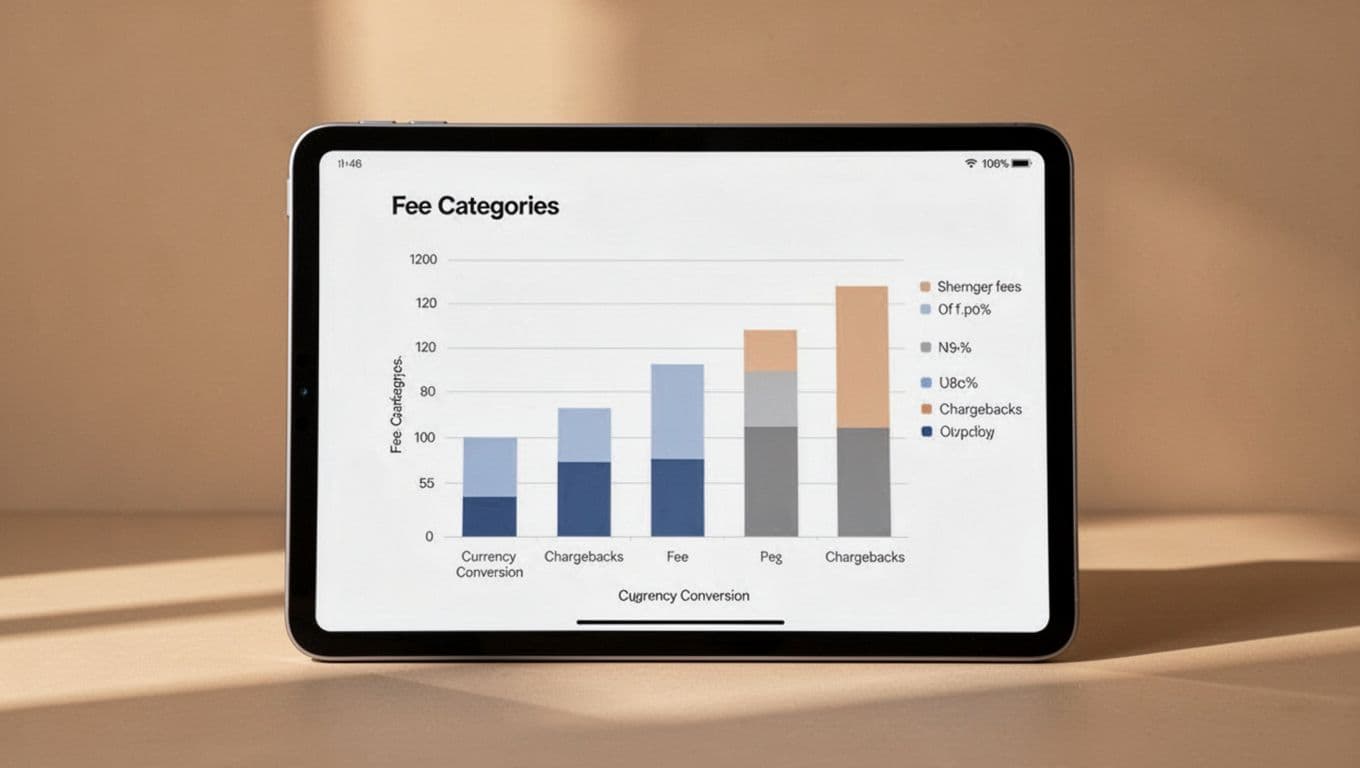
A Stripe fee breakdown makes this clearer across products, currencies, and customer segments. On a small invoice, Stripe may be cheaper in practice. On a large annual renewal, wire transfers often look cleaner.

Speed, control, and the hidden cost of payment friction
Wire transfers, a common form of electronic funds transfer, are blunt but predictable. Finance teams see exactly when the money lands after a few business days, and procurement teams trust wire transfers for six-figure renewals. That matters when the invoice has board-level attention, especially since manual processing leaves little room for surprises.
Stripe Payments is faster to automate. It handles subscriptions, retries, receipts, and card updates without a manual chase, including automated reconciliation through its reconciliation engine. That saves time every week and reduces the cost of missed payments, which is easy to forget when comparing only the fee line.
Stripe's ACH vs. wire comparison shows why wire transfers usually cost more than ACH transfers. Banks handle wire transfers manually, while ACH transfers through the Automated Clearing House settle reliably in one to three business days. That is why the cheapest payment method is not always the best one. A failed card retry or delayed collection can cost more than the payment fee itself.
The cheapest payment method is the one that gets paid on time and does not need three follow-up emails.
If your team wants to see where payment friction is showing up, how FeeTrace connects to Stripe shows how transaction data turns into a savings review. That matters more than a blunt average rate.

How to reduce Stripe fees without hurting collections
The best way to how to reduce Stripe fees is to stop treating every invoice the same. Keep small recurring charges on Stripe, but route large annual contracts to wires or ACH transfers when the buyer accepts it. For mid-market clients, ACH transfers lower transaction costs while maintaining collections. That alone can cut a big chunk of fixed and percentage costs.
A few moves help the most:
- Use annual billing where it fits. Fewer invoices mean fewer fixed fees.
- Test your Stripe fee calculator with real invoices. Include Billing, FX, disputes, fraud protection, chargebacks, and retry costs.
- Limit cross-border charges. Local payment methods can cut FX drag.
- Watch retry logic. Failed attempts add cost and waste team time.
- Compare payment methods by invoice size. A wire that costs $25 can beat card fees on a large renewal; ACH transfers following Nacha guidelines work well for mid-market transaction costs.
Within Stripe Payments, features like virtual bank account and customer balance streamline B2B payments. For setups like ACH transfers or direct deposit, provide the ABA routing number.
If you are already comparing Stripe vs PayPal fees, use the same habit here. Compare the real payment path, not the advertised rate. Different methods behave differently once invoices get large or international.
A tool can help when the math gets messy. FeeTrace pricing by Stripe volume shows how the platform scales with processing volume, and you can Analyze My Fees if you want a quick read on where the leaks are. That is useful when chargebacks, FX spread, and retries are part of the picture.
Choosing the right mix for enterprise SaaS
Most SaaS companies do not need one payment method. They need a rule. Use wire transfers for high-value transactions on large enterprise invoices, Stripe for recurring mid-market accounts, and local options like those in SEPA countries when they lift payment rates for European customers.
That mix keeps finance from overpaying on every transaction. It also gives sales a clean answer when a buyer asks for a bank transfer. In many cases, the real-time settlement of wire transfers via bank rails of financial institutions justifies the manual effort, which costs less than losing the deal to slower ACH transfers.
If you want a broader view of payment cost patterns, the FeeTrace blog is a useful place to compare methods. Still, the core decision stays the same: wire transfers favor large, clean payments over ACH transfers, while Stripe favors automation and repeat billing.
Frequently Asked Questions
When should SaaS teams choose wire transfers over Stripe?
Wire transfers make sense for high-value enterprise invoices where flat fees ($15-$50) beat Stripe's percentage-based costs plus add-ons. They offer predictable settlement in 2-5 business days, trusted by procurement for six-figure renewals. Use them when automation matters less than minimizing fees on large one-offs.
What are the hidden costs in Stripe invoicing for enterprise SaaS?
Beyond headline rates, Stripe adds 0.4% per invoice ($2 cap), 0.7% for Billing, plus FX, disputes, chargebacks, retries, and fraud tools that push totals higher. International cards and failed payments amplify this on mixed volumes. Tools like fee calculators reveal the full stack across real invoices.
How does ACH compare to wire transfers and Stripe for B2B payments?
ACH settles reliably in 1-3 business days at lower costs than wires, with automation like Stripe but without heavy percentages—ideal for mid-market SaaS. Wires are pricier and manual but faster for urgent large deals. Stripe adds retries and global reach, but ACH cuts fees when buyers accept bank rails.
Can you reduce Stripe fees without fully switching to wires?
Route large annual contracts to wires or ACH, keep recurring on Stripe, use annual billing to cut invoice counts, limit cross-border FX, and optimize retries. Features like virtual bank accounts help B2B flows. Analyze breakdowns with Stripe calculators or platforms to spot leaks in disputes and add-ons.
What's the best payment strategy for enterprise SaaS invoices?
Adopt a hybrid rule: Stripe for automated recurring mid-market, wires for high-value enterprise one-offs, ACH for cost-effective middle ground. Match by invoice size, customer location, and failure risk to lower total processing costs. Review real data patterns, not advertised rates, for the optimal mix.
Conclusion
For enterprise SaaS invoices, Stripe vs wire transfer comes down to invoice size, payment behavior, and how much friction your team can tolerate. Wire transfers often win on big one-off payments where payment reversals are less common, while Stripe Payments offers better visibility when automation and payment recovery matter more. Electronic funds transfer plays a key role in the enterprise for reliable processing.
The safest move is to look at your real invoice mix, not the advertised rate. ACH transfers provide a cost-effective middle ground for automation, with settlements typically in 1-3 business days. Once you see the actual Stripe fee breakdown and set expectations around business days for wires, the right payment policy usually becomes obvious.